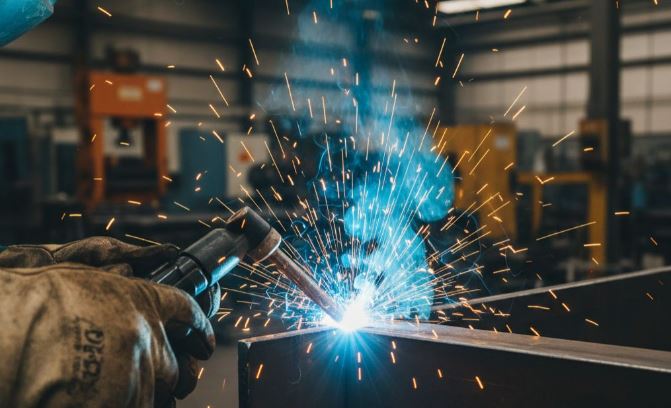
تستخدم عملية اللحام بالغاز النشط المعدني (MAG) سلكًا كهربائيًا يُغذى باستمرار وغازًا واقيًا نشطًا يشارك في التفاعلات الكيميائية للقوس الكهربائي، مما يميزها عن عمليات اللحام الأخرى. ويُعدّ الغاز الواقي النشط هو ما يميز عملية اللحام بالغاز النشط المعدني (MAG). اللحام من لحام MIG، مما يساهم في أدائها المتفوق على الفولاذ الكربوني والفولاذ منخفض السبائك.
تُستخدم لحام MAG على نطاق واسع في صناعة الصلب الصناعيةتصنيع الصفائح المعدنيةوخاصة في بيئات الإنتاج متوسطة إلى عالية الحجم حيث تكون السرعة وقوة الوصلات وقابلية التكرار أكثر أهمية من المظهر التجميلي.
في بيئات التصنيع العملية، يُختار هذا النوع من اللحام غالبًا لأجزاء الفولاذ الكربوني التي تتطلب اختراقًا موثوقًا، وانصهارًا متجانسًا، وأوقات دورة متوقعة عبر دفعات إنتاج كبيرة. عندما تكون كفاءة الإنتاج والأداء الهيكلي هما الأولوية، فإن لحام MAG هو الخيار العملي في كثير من الأحيان.
لحام MAG (لحام الغاز المعدني النشط) هو عملية لحام القوس المعدني بالغاز (GMAW) تستخدم قطب سلكي يتم تغذيته باستمرار وغازات واقية نشطة، مثل ثاني أكسيد الكربون أو مخاليط الأرجون وثاني أكسيد الكربون، لتحقيق اختراق عميق وانصهار قوي عند لحام الفولاذ الكربوني والفولاذ منخفض السبائك.
تستخدم هذه التقنية قطبًا سلكيًا يُغذى باستمرار وغازًا واقيًا نشطًا، مثل ثاني أكسيد الكربون أو خليط الأرجون وثاني أكسيد الكربون. يشارك الغاز النشط في التفاعلات الكيميائية للقوس الكهربائي، مما يزيد من طاقة القوس وقدرته على الاختراق مقارنةً بعمليات الغاز الخامل.
وبسبب هذا السلوك، فإن لحام MAG مناسب لتطبيقات الصلب حيث تكون هناك حاجة إلى انصهار قوي وكفاءة إنتاج عالية.
هنا يصبح التمييز بين لحام MIG ولحام MAG غير واضح. فظاهريًا، تبدو الآلات متشابهة، لكن تركيبة غاز الحماية تُغير بشكل جذري سلوك القوس وخصائص الاختراق. استخدام الغاز الخامل (MIG) على الفولاذ السميك أقل فعالية بشكل عام من لحام MAG لتحقيق اختراق وإنتاجية ثابتين؛ إذ تحتاج إلى الغاز النشط (MAG) لاختراق الفولاذ الكربوني فعليًا.
هذا هو بالضبط نوع العمل الذي تم تجهيز شركة KESO لأجله. نقوم بتشغيل لحام MAG عالي الجودة كجزء من سير عمل كامل لتصنيع الصفائح المعدنية، بما في ذلك القطع والثني والتثبيت واللحام، كل ذلك تحت سقف واحد. قطع فولاذية لا يتم لحامها فحسب، بل تخرج مربعة وقوية وجاهزة للتجميع.
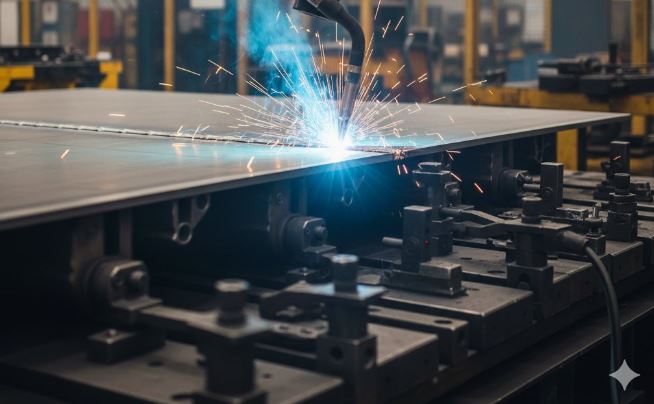
في العديد من بيئات تصنيع الصلب ذات الإنتاج الضخم، تُعدّ لحام MAG عملية أساسية. في تصنيع الصفائح المعدنية الفولاذية، يُفضّل لحام MAG غالبًا لأنه يدعم الإنتاج بكميات كبيرة مع ضمان الحصول على وصلات ذات متانة هيكلية عالية.
بالنسبة للأجزاء الحاملة للأحمال والهياكل والتجميعات الوظيفية، تتيح هذه العملية للمصنعين الحفاظ على جودة لحام متسقة دون التأثير على وقت دورة الإنتاج أو زيادة تكلفة القطعة الواحدة. وهذا ما يجعل لحام MAG عملية أساسية عملية للعديد من بيئات الإنتاج، بدلاً من كونه حلاً متخصصاً أو محدوداً.
لا يمكن تحقيق الاختراق الكافي بالاعتماد على المظهر فقط، بل يعتمد على طاقة القوس الكهربائي وتركيب الغاز. فالأمر لا يقتصر على الحصول على خرزة لحام نظيفة فحسب، بل إن مزيج الغاز النشط يدفع الحرارة إلى جذر الوصلة. في الأقواس أو الإطارات متوسطة السماكة، تحصل على انصهار كامل من أول مرة دون الحاجة إلى ضبط القوس الكهربائي بدقة. إذا كنت تبني هياكل ستتعرض للاهتزاز أو الإجهاد الشديد، فأنت بحاجة إلى هذا العمق. ورغم أن مظهر خرزة اللحام قد يكون أقل تجانسًا، إلا أن اللحام الناتج يوفر قوة ميكانيكية موثوقة تحت أحمال التشغيل.
كما أنها أكثر تسامحاً من عمليات مثل TIG. فالفجوات الطفيفة، أو عدم الاتساق البسيط في تحضير الحواف، أو عدم المحاذاة الطفيفة لا تفسد اللحام على الفور، وهو أمر مهم في الإنتاج الحقيقي، وليس في ظروف المختبر المثالية.
من الناحية الإنتاجية، توفر لحام MAG كفاءة عالية في تصنيع الصفائح المعدنية الفولاذية. فميزة التغذية المستمرة للسلك تعني عدم الحاجة إلى التوقف لتغيير الأقطاب الكهربائية، كما أن سرعات اللحام عالية مقارنةً بلحام TIG.
في صفائح الفولاذ متوسطة إلى سميكة، يُترجم هذا مباشرةً إلى تقليل أوقات دورة التشغيل. يمكن للمشغلين إجراء عمليات لحام أطول في تمريرة واحدة، سواء كانت آلية أو غير آلية. الروبوتات يمكن لهذه التجهيزات تكرار عمليات اللحام هذه مع اختلاف طفيف للغاية. ولهذا السبب، تُعد تقنية اللحام بالقوس المعدني المحمي بالغاز (MAG) الخيار الافتراضي في خطوط تصنيع السيارات والصناعات الأخرى.
كما أنها قابلة للتوسع بشكل جيد. وتعمل نفس العملية مع اللحام اليدوي، والقوالب، والتجهيزات، والتشغيل الكامل. الخلايا الروبوتيةمما يسهل عملية التوحيد القياسي عبر الأجزاء المختلفة وأحجام الإنتاج.
تُعدّ عملية اللحام بالقوس الكهربائي المغناطيسي (MAG) فعّالة من حيث التكلفة نظرًا لكفاءة جميع جوانبها. فالمواد الاستهلاكية رخيصة، والغازات الواقية متوفرة بسهولة، ومعدلات الترسيب عالية. وبالتالي، يتم وضع كمية أكبر من المعدن في الوصلة في الساعة الواحدة مقارنةً بالعمليات الأبطأ والأكثر تحكمًا.
في نهاية المطاف، أنت تدفع ثمن الوقت. تقليل وقت اللحام وتجنب عمليات التنظيف المعقدة بعد اللحام هما السبيل الأمثل للتحكم في تكلفة القطعة الواحدة ومنعها من الارتفاع بشكل كبير. بالنسبة للهياكل الإنشائية مكونات فولاذية عندما لا يكون مظهر اللحام أمراً بالغ الأهمية، فإن لحام MAG يوفر حلاً فعالاً من حيث التكلفة وموثوقاً به.
إذا كنت تصمم قطعًا فولاذية تتطلب اختراقًا حقيقيًا، وقوة متكررة، وتكاليف متوقعة عند الإنتاج بكميات كبيرة، فهنا تكمن أهمية العمل مع شريك تصنيع ذي خبرة. لحام MAG لا يتسامح مع سوء التحضير أو التسلسل الخاطئ، وإتقانه مبكرًا يوفر عليك تكاليف إعادة التصميم لاحقًا.
هذه هي النقطة التي تختار فيها العديد من الفرق الحصول على عرض أسعار سريع من ورشة عمل تفهم بالفعل سلوك الفولاذ، وسحب اللحام، وتراكم التفاوتات.
 اشترك في النشرة الإخبارية لدينا
WHATSAPP : +86-15375471059
البريد الإلكتروني : allan@safekeso.com
رقم الهاتف : +86 15375471059